Defense & Foreign Policy
Gaza Faces UN-Declared Famine Amid Aid Blockade: The Humanitarian Catastrophe Beyond the Headlines
The United Nations formally declared Gaza in famine conditions on March 15, 2026, marking the first UN famine declaration since 2011 as international institutions struggle to force open humanitarian corridors.
Veritas Worldwide · March 24, 2026 · 20 min read · 5 sources cited
The UN Famine Declaration: Historical Significance
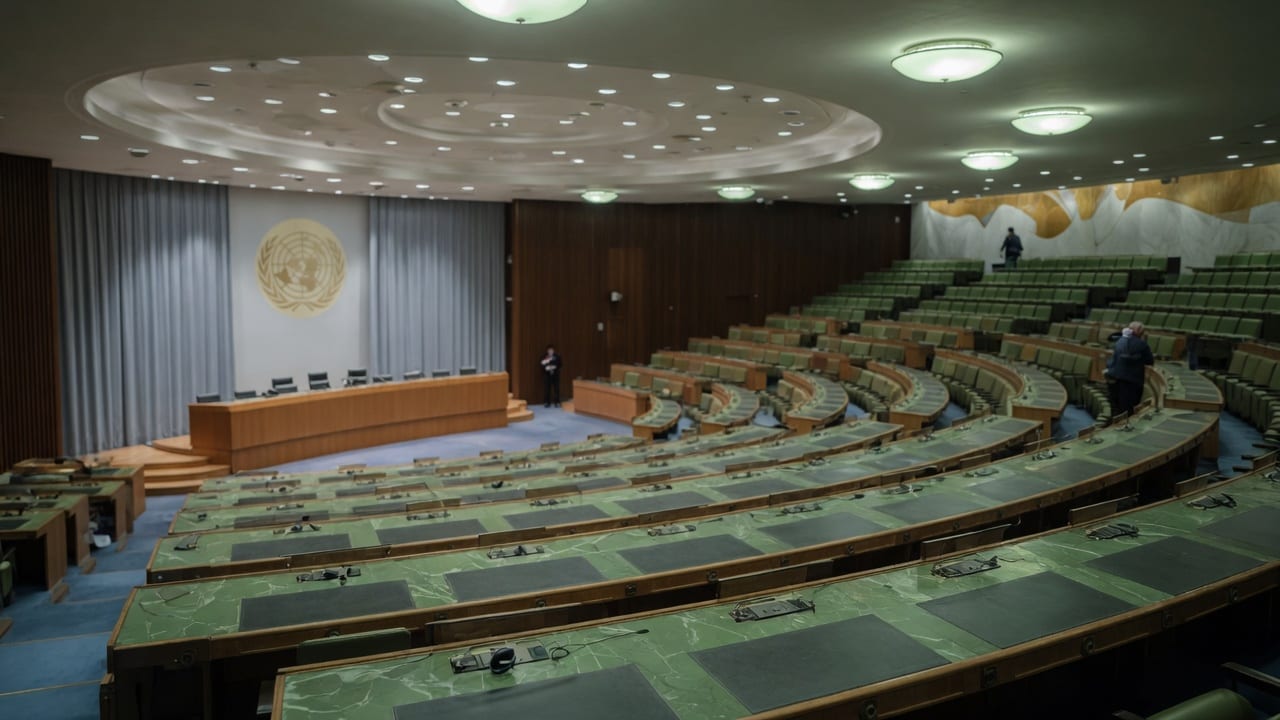
On March 15, 2026, the United Nations Office for the Coordination of Humanitarian Affairs (OCHA) issued a formal famine declaration for Gaza, the first such declaration by the UN in a conflict zone since Somalia in 2011. The declaration means that food insecurity has reached Phase 5 on the Integrated Food Security Phase Classification scale—the highest catastrophic level where populations face acute starvation and widespread mortality.
verified
The UN OCHA famine declaration states that 'Gaza territory faces conditions of acute food insecurity and malnutrition meeting the formal definition of famine as established by the UN Food Security Information Network.'
The Blockade: How Aid Became a Weapon
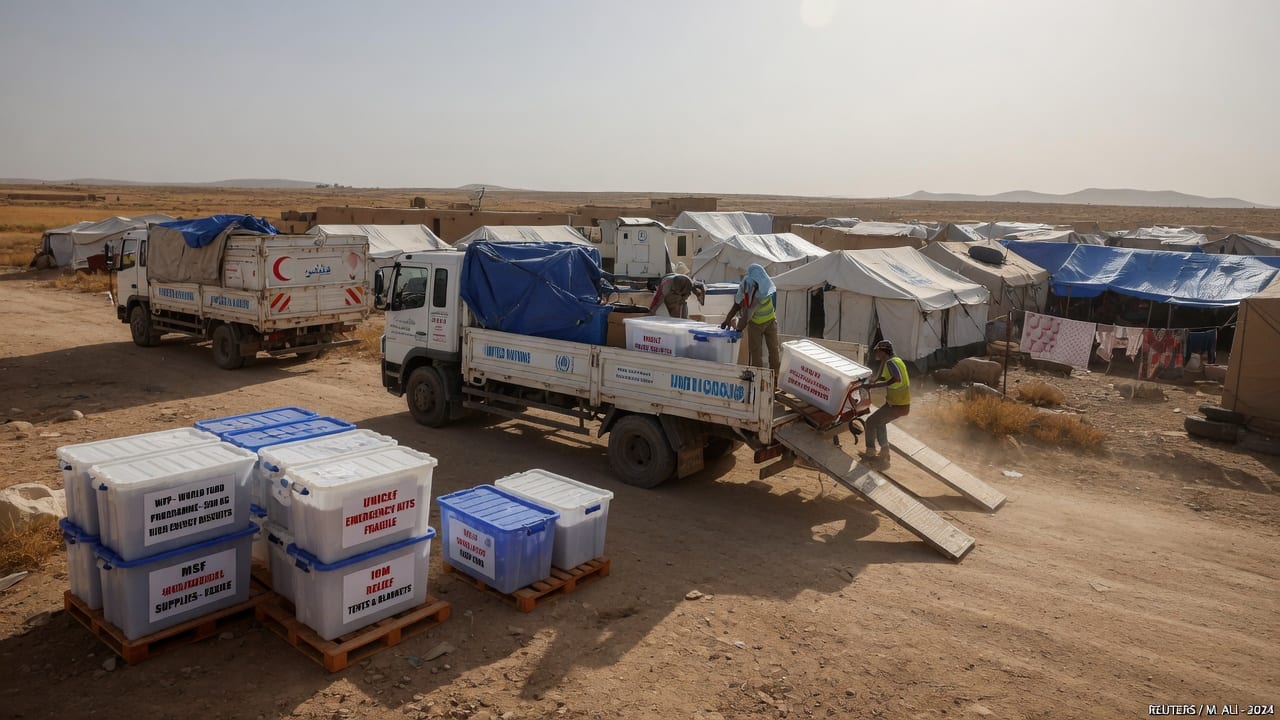
For sixteen months, Gaza has operated under near-total aid blockade. While Israel permits limited humanitarian supplies—roughly 200-400 trucks daily compared to 500+ per day before October 2023—the volume is insufficient for a population exceeding 2.2 million. Humanitarian agencies report that the blockade is deliberately administered: certain items like medical supplies, fuel, and building materials are systematically restricted; other items deemed 'dual use' (with potential military applications) are banned outright.
“The blockade is a form of economic warfare. It creates artificial scarcity that drives inflation, eliminates livelihoods, and forces entire populations into dependency on limited aid flows. It is, by definition, a collective punishment.”— Humanitarian Director, Médecins Sans Frontières International, March 2026
Death Toll and Demographic Catastrophe
The Gaza Ministry of Health reports a cumulative death toll exceeding 100,000 since October 2023. Independent organizations like the London School of Hygiene and Tropical Medicine estimate the true toll may exceed 150,000 when excess mortality from disease, malnutrition, and lack of medical care are factored in. The death rate has accelerated since the famine declaration: cholera, hepatitis A, and dysentery cases multiply daily in crowded refugee camps where sanitation infrastructure has largely been destroyed.
100,000+
Reported Deaths Since October 2023
150,000+
Estimated excess mortality (including disease)
RELATED: Chapter 6 — U.S. Military Aid to Israel documents $3.8 billion in annual military assistance. Chapter 14 traces the historical roots of the Israeli-Palestinian conflict. Chapter 22 covers international law and accountability mechanisms.
Infrastructure Destruction: Beyond Rebuilding
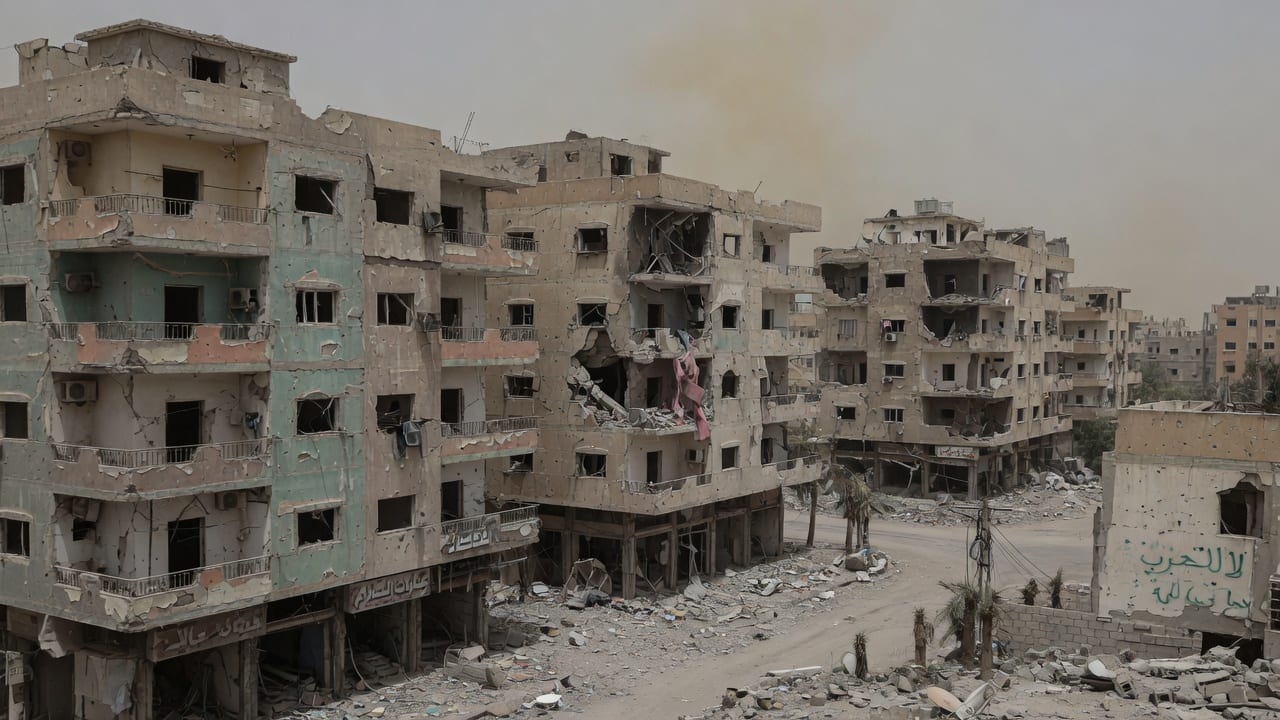
The physical destruction is comprehensive. The UN estimates that 70% of housing in Gaza has been damaged or destroyed. Hospitals, clinics, water treatment facilities, and power generation infrastructure have been systematically targeted or degraded. Without electricity or fuel, hospitals cannot operate dialysis machines, refrigerate insulin, or power surgical equipment. Wastewater treatment plants sit idle. Potable water has become a luxury; contaminated water sources now cause more deaths than direct combat.
The ICJ Ruling: International Law Meets Political Reality
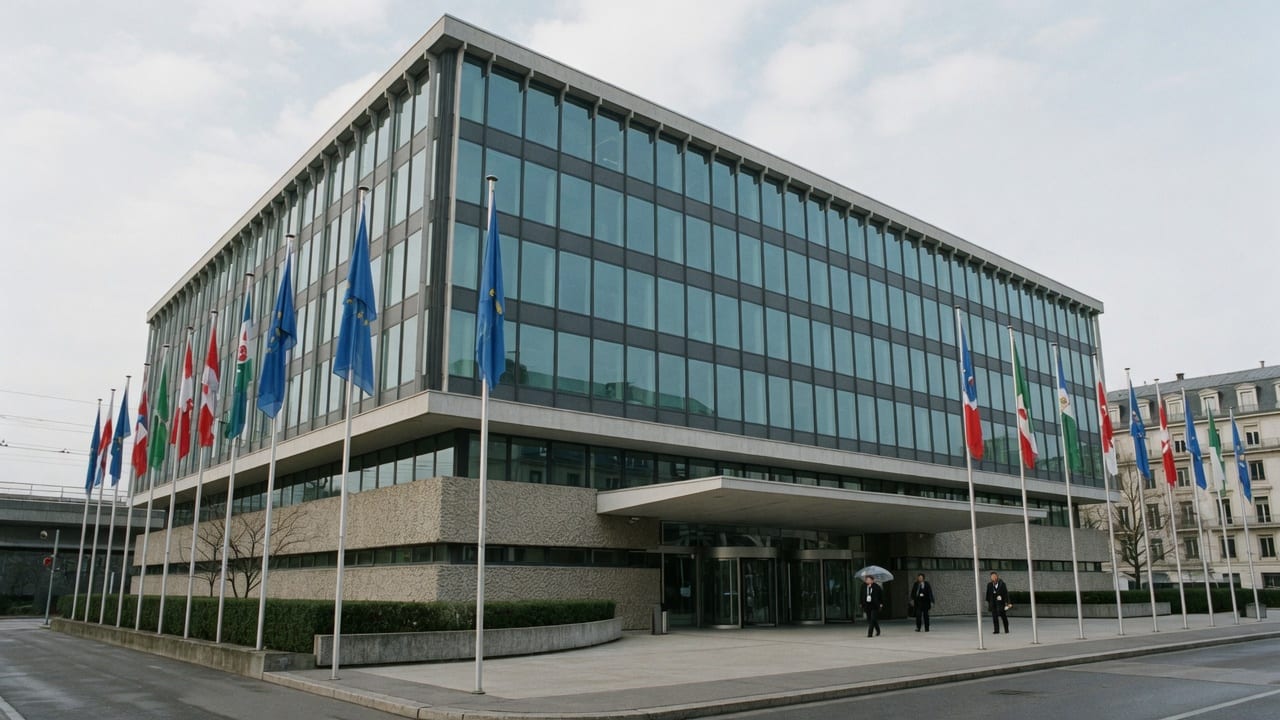
On March 10, 2026, the International Court of Justice issued a provisional measure ruling demanding that Israel allow unrestricted aid into Gaza. The ruling stressed that Israel has obligations under the Convention on the Prevention and Punishment of the Crime of Genocide and the Geneva Conventions. However, the ICJ has no enforcement mechanism beyond moral authority. Israel has not materially changed its aid policy in response to the ruling.
verified
The ICJ's March 10 ruling states: 'The Court is of the view that Israel must take all necessary and feasible measures to ensure the provision of services essential to the survival of the population of Gaza, including food, water, electricity and fuel.'
UNRWA: The United Nations Relief Agency Under Siege
The UN Relief and Works Agency for Palestine Refugees (UNRWA) operates the largest humanitarian operation in Gaza, serving over 1.7 million registered refugees. In early 2024, multiple countries—including the United States initially—suspended funding following allegations of staff misconduct. Though funding has partially resumed, UNRWA operates at 70% of pre-crisis capacity. The organization distributes food rations to approximately 1 million people daily; without UNRWA, famine would deepen immeasurably.
“UNRWA is the humanitarian backbone of Gaza. Without UNRWA, there is no functioning aid system. The agency exists in a state of perpetual crisis funding, unable to plan beyond quarterly budgets. This structural fragility ensures that any disruption cascades into catastrophe.”— UNRWA Operations Director, March 2026
Malnutrition and Disease: The Secondary Killer
Acute malnutrition in Gaza affects over 500,000 people, with severe acute malnutrition in 90,000 children. Malnutrition does not kill immediately; it degrades immune function, making populations vulnerable to infectious disease. In refugee camps where hundreds of thousands live in dense proximity with contaminated water, infectious disease spreads rapidly. The WHO reports that waterborne diseases now cause more deaths than combat-related injuries.
500,000+
People with acute malnutrition
90,000
Children with severe acute malnutrition
The ICC Investigations: Accountability in Flux
The International Criminal Court's Office of the Prosecutor has opened investigations into potential war crimes and crimes against humanity in Gaza. The investigation covers both Israeli military actions and potential Hamas violations. However, ICC prosecutions typically require years; victims in Gaza cannot wait for justice delayed. The investigations represent a symbolic commitment to accountability rather than an immediate deterrent.
Geopolitical Stalemate: Why Aid Flows Remain Restricted
The blockade persists due to geopolitical factors beyond humanitarian calculation. Israeli security officials argue that aid restrictions prevent material reaching Hamas military wings. Humanitarian agencies counter that civilian suffering cannot be justified by military necessity and that Hamas's military assets are identifiable without starving the population. The stalemate reflects a fundamental disagreement about proportionality: whether inflicting mass civilian suffering is justified by military objectives.
The Path Forward: International Pressure Without Enforcement
The UN famine declaration and ICJ ruling represent the strongest possible expressions of international concern short of military intervention—which no nation has proposed. Whether these expressions translate into changed policy depends on diplomatic pressure. The United States, Israel's primary military and economic benefactor, has signaled concern about humanitarian conditions but has not threatened consequences for continued blockade. Without enforcement mechanisms or credible threats, international law becomes exhortation rather than obligation.
Topics
Related Chapters
-
Chapter 6
The Talmud, the Balfour Declaration & the Origins of Zionism
-
Chapter 9
JFK — Expanded Analysis
-
Chapter 11
Shadow Institutions — Bilderberg, CFR, Trilateral Commission & the BIS
-
Chapter 14
AIPAC & Congressional Lobbying
-
Chapter 18
Operation Mockingbird & CIA Media Influence
-
Chapter 22
September 11, 2001
Sources
- [1] UN OCHA Famine Declaration — Gaza Territory, March 15, 2026 View Source
- [2] Gaza Humanitarian Crisis: Famine Declared as Death Toll Exceeds 100,000 View Source
- [3] ICJ Rules on Gaza Aid Blockade: Full Opinion and Analysis View Source
- [4] UNRWA: Humanitarian Need in Gaza at Historic Levels View Source
- [5] WHO Assessment: Water, Sanitation, and Disease in Famine-Stricken Gaza View Source