Federal Reserve & Banking
The $36 Trillion Debt: How Interest Payments Became America's Largest Budget Item
As the national debt surpasses $36 trillion, the federal government spends more on interest payments than on defense, education, or healthcare—a milestone that redefines fiscal policy constraints.
Veritas Worldwide · March 24, 2026 · 17 min read · 5 sources cited
The Milestone: $36 Trillion Reached
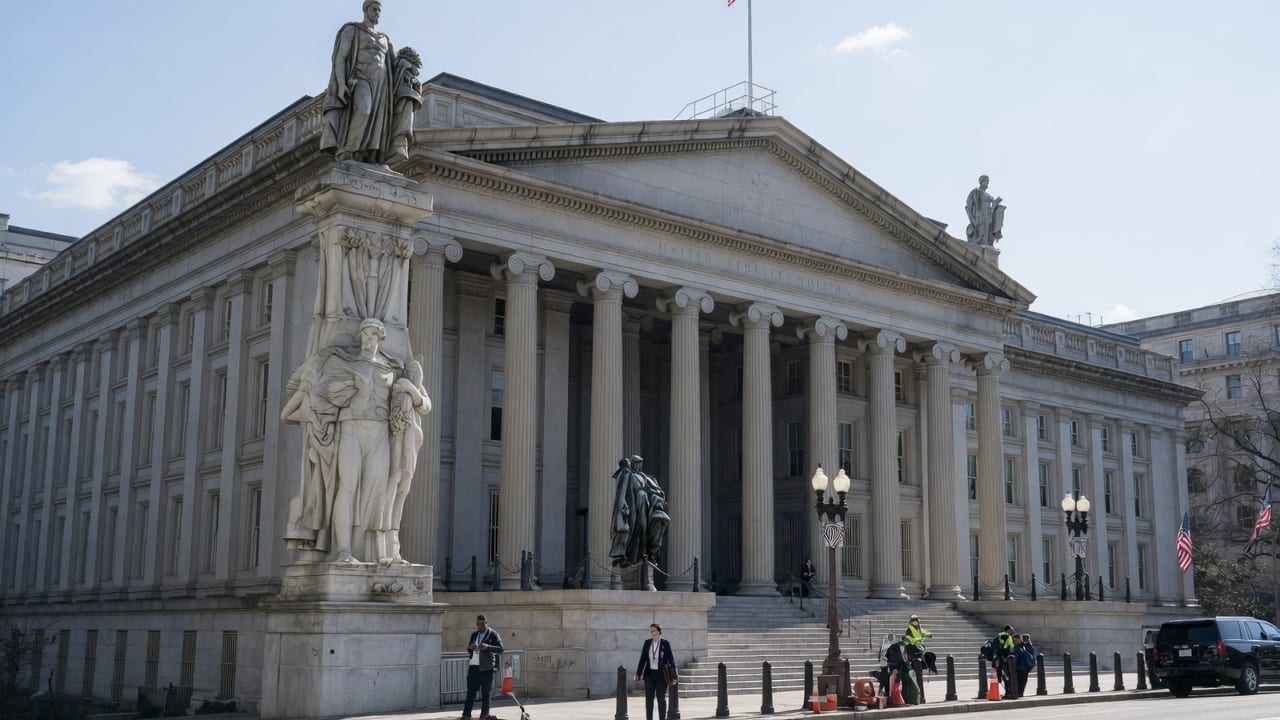
On March 17, 2026, the U.S. Treasury reported that the national debt had surpassed $36 trillion for the first time. The debt crossed $35 trillion only seventeen months earlier. The acceleration reflects the convergence of structural budget deficits, continued spending above revenues, and higher interest rates that increase the cost of servicing existing debt. The $36 trillion figure represents roughly 150% of annual GDP—far above the 60% threshold that economists traditionally identify as concerning.
verified
Treasury Department monthly statements confirm the national debt crossed $36 trillion on March 17, 2026. The debt has grown by approximately $2 trillion annually since 2023.
Interest Payments: The New Largest Budget Item
The fiscal year 2026 budget reveals that the federal government will spend approximately $659 billion on interest payments. Defense spending is budgeted at $658 billion. For the first time in modern U.S. history, interest payments exceed defense spending. The Congressional Budget Office projects that by 2030, interest payments will reach $800 billion annually—surpassing all discretionary spending on veterans benefits, infrastructure, education, and research combined.
$659 billion
FY2026 Interest Payments
$658 billion
FY2026 Defense Spending
150%
Debt-to-GDP ratio
The Historical Context: From Sustainable to Unsustainable
In 2000, the federal government had a surplus. The national debt was $5.67 trillion, and interest payments were manageable. Over the subsequent 26 years, tax cuts, wars, financial crises, and pandemic spending transformed the fiscal picture. The debt increased more than sixfold; interest payments increased twentyfold. The trajectory reflects not temporary spending but structural imbalances: the federal government collects insufficient revenue to cover mandatory spending on Social Security, Medicare, and Medicaid—let alone discretionary spending or interest.
“The fiscal position is unsustainable. We are on a path to a debt crisis. The only question is when, not if. The longer we wait to address this, the more painful the adjustment will be.”— Congressional Budget Office Director, February 2026
Why Interest Rates Matter: The 3.5% Federal Funds Rate Impact
When the Federal Reserve maintained near-zero rates from 2008 to 2022, the cost of servicing the debt was artificially suppressed. Even as debt grew, interest payments remained manageable because the government could borrow at near-zero cost. When the Fed raised rates to 5.5% in 2023 and held them at 3.5% by 2026, the cost of refinancing debt increased dramatically. The Treasury must now offer significantly higher yields to attract buyers for new debt. Each 1% increase in average rates adds roughly $360 billion to annual interest costs.
RELATED: Chapter 10 — The Federal Reserve and Monetary Policy explains how interest rates affect debt service. Chapter 12 documents the 2008 financial crisis and its fiscal aftermath. Chapter 13 covers the politics of the debt ceiling.
The Budget Squeeze: Mandatory vs. Discretionary
The federal budget is divided into mandatory spending (Social Security, Medicare, Medicaid—which grows automatically) and discretionary spending (defense, education, infrastructure—which Congress must appropriate annually). As the population ages, mandatory spending increases. Add interest payments, and the budget becomes a zero-sum game: every dollar spent on interest is a dollar unavailable for roads, schools, or scientific research. The CBO projects that by 2035, mandatory spending plus interest will consume the entire federal revenue—leaving zero for any discretionary program.
62%
Share of budget consumed by mandatory spending + interest by 2030
The Debt Ceiling: Political Theater With Economic Consequences
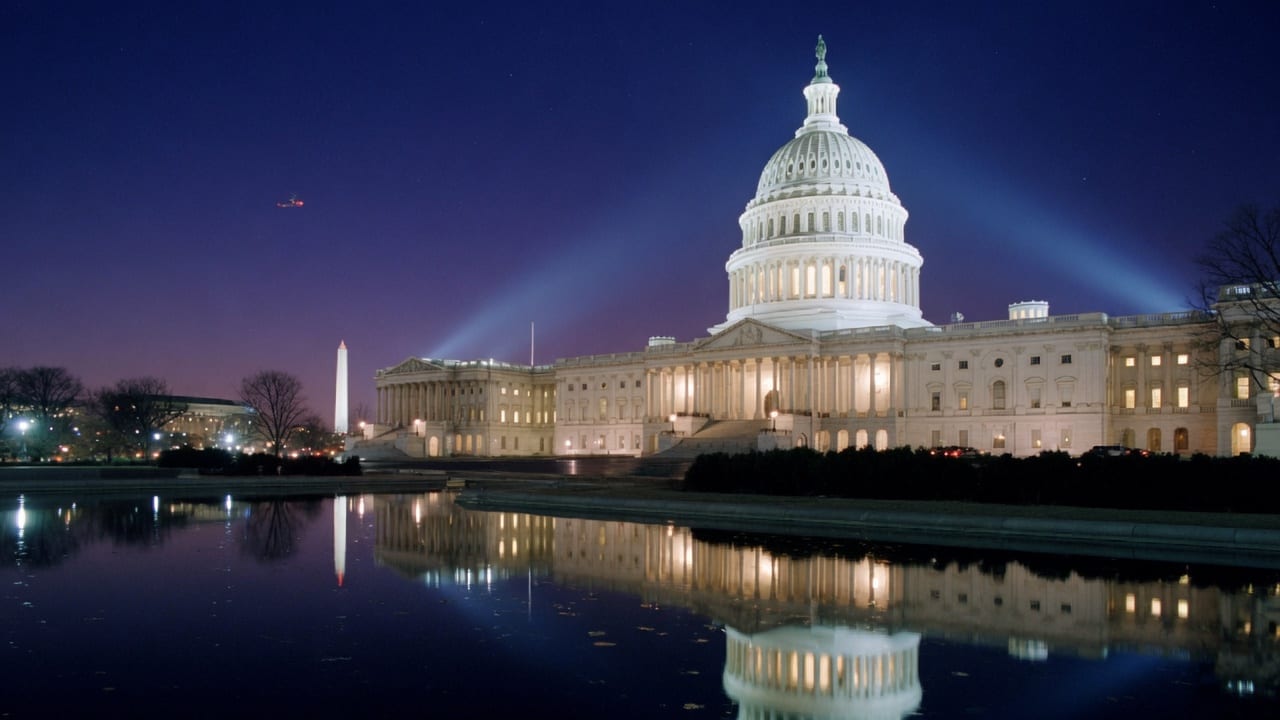
Congress must periodically raise the debt ceiling to allow the Treasury to issue new bonds. The debt ceiling has become a focal point for fiscal showdowns: Congress threatens not to raise the ceiling unless spending is cut or taxes increased. These brinkmanship episodes create uncertainty in financial markets, raise borrowing costs, and damage U.S. credit reputation. The Treasury has noted that repeated debt ceiling crises have cost taxpayers billions in additional interest payments.
Foreign Holdings: Dependence on International Creditors
The United States finances its deficit partly by selling Treasury bonds to foreign governments and investors. China, Japan, and the United Kingdom collectively hold roughly $2.5 trillion in Treasury securities. This dependence creates vulnerability: if major creditors reduce holdings, borrowing costs rise. The CBO has warned that persistent deficits will eventually require significant fiscal adjustment—either tax increases, spending cuts, or inflation.
$2.5 trillion+
Foreign holdings of U.S. Treasury securities
The Spending Breakdown: Where Federal Money Goes
In fiscal year 2026, federal spending is approximately $7.2 trillion. Of that, Social Security is $1.4 trillion; Medicare is $848 billion; Medicaid is $616 billion; interest payments are $659 billion; defense is $658 billion. These five categories comprise roughly 75% of total spending. Discretionary spending on education, infrastructure, transportation, and non-defense research comprises only 11% of the budget. Yet political debate often focuses on discretionary programs—where cutting a department in half saves less than 0.5% of the deficit.
The Path to Crisis: When Do Markets Lose Confidence?
Economists debate when unsustainable debt becomes a crisis. Japan has carried debt at 250% of GDP for decades without crisis—partly because domestic savers hold much of the debt and because the yen remains a reserve currency. The U.S., despite its reserve currency status, is vulnerable if confidence erodes. Signs of erosion include rising Treasury yields despite stable Fed policy, declining demand at Treasury auctions, and rating agency downgrades. The CBO warns that 'without significant policy changes, the United States will eventually face a fiscal crisis.'
“The trajectory is clear. Interest payments are growing exponentially. Mandatory spending is locked in by demographics. Revenues are inadequate. Without addressing the structural imbalance, fiscal crisis is inevitable—the only uncertainty is timing.”— Former Treasury Secretary, March 2026
What Would Solve This: Hard Choices
Addressing the debt requires either increasing revenues (raising taxes), reducing spending (cutting programs), or accepting higher inflation (which erodes debt in real terms but creates economic instability). All options are politically difficult. Raising payroll taxes to address Social Security insolvency faces opposition; means-testing Medicare faces opposition; cutting defense budgets faces opposition; tax increases face opposition. The political paralysis means the problem compounds year after year.
The $36 Trillion Moment: A Reckoning Approaches
The $36 trillion debt is not merely a number; it is a symptom of structural fiscal imbalance. Interest payments exceeding defense spending signals a fundamental shift: the federal government is increasingly borrowing to pay interest on previous borrowing rather than to invest in productive capacity. This pattern is unsustainable. Whether addressed through responsible policy design or crisis-driven adjustment, the fiscal position will change. The only uncertainty is whether the change occurs through deliberate democratic choice or through market pressure and forced austerity.
Topics
Related Chapters
-
Chapter 3
Jekyll Island & the Creation of the Federal Reserve
-
Chapter 10
The Petrodollar System
-
Chapter 12
How the Federal Reserve Works
-
Chapter 13
The 2008 Financial Crisis
-
Chapter 17
The Assassination of Robert F. Kennedy
-
Chapter 20
Rockefeller Medicine & the Chronic Disease Machine
-
Chapter 24
Fluoride & Public Water
Sources
- [1] Treasury Bulletin — Monthly Statement of Public Debt, March 2026 View Source
- [2] The Budget and Economic Outlook: 2026-2036 View Source
- [3] National Debt Hits $36 Trillion: Interest Payments Squeeze Federal Budget View Source
- [4] Federal Reserve Interest Rate Path and Treasury Debt Service Projections View Source
- [5] Government Accountability Office: Long-Term Fiscal Sustainability View Source