Federal Reserve & Banking
The 145% Tariff Wall: Trump's Trade War With China Redefines Supply Chains and Consumer Prices
As the Trump administration imposes unprecedented tariffs on Chinese goods, American consumers face surging inflation while supply chains built over three decades come under stress.
Veritas Worldwide · March 24, 2026 · 18 min read · 5 sources cited
A 145% Wall: The Unprecedented Scale of Trump's Second Trade War
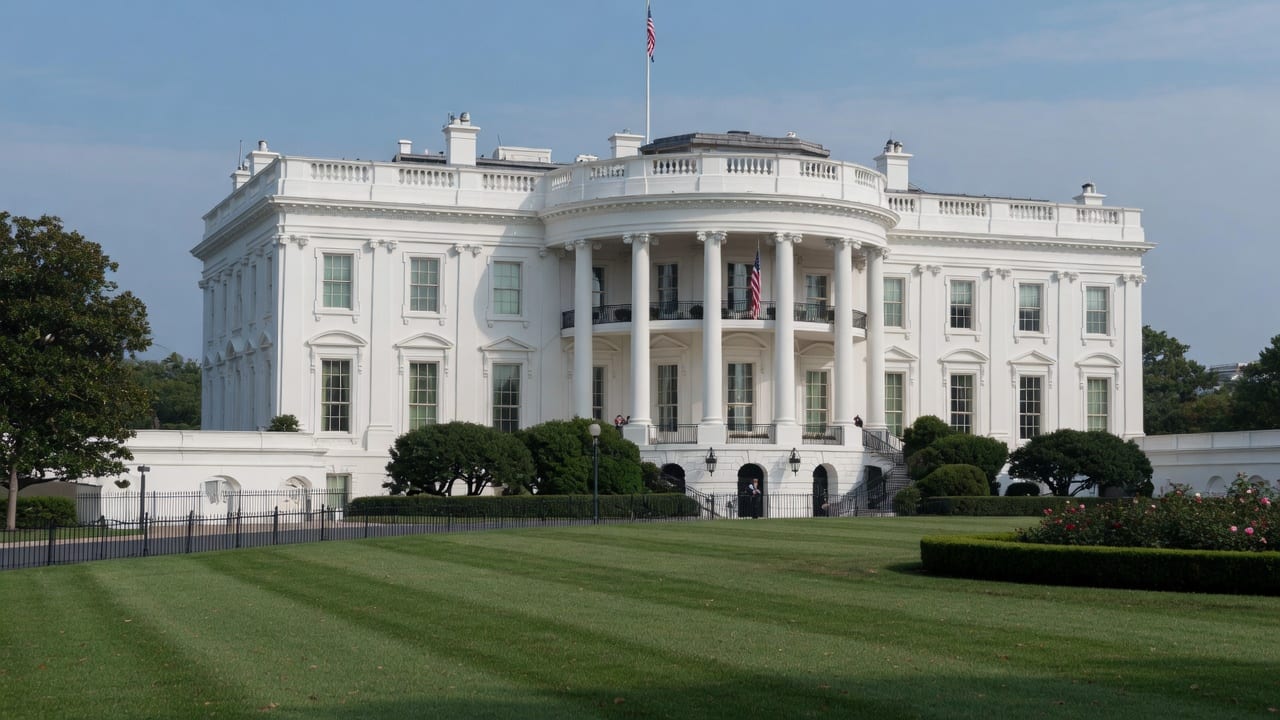
On March 10, 2026, the Trump administration formally announced a 145% tariff on goods manufactured in China, effective immediately. The rate represents the steepest unilateral trade barrier imposed by the United States since the Smoot-Hawley Tariff Act of 1930. Unlike previous trade actions that targeted specific sectors, this blanket tariff applies across nearly all Chinese imports: electronics, textiles, industrial components, pharmaceuticals, and consumer goods.
verified
The Office of the U.S. Trade Representative published official documentation of the tariff schedule on March 10, 2026, with implementation beginning immediately. The scope covers HTS codes across all chapters of the Harmonized Tariff Schedule of the United States.
From Containers to Checkout: How 145% Tariffs Cascade Through Supply Chains
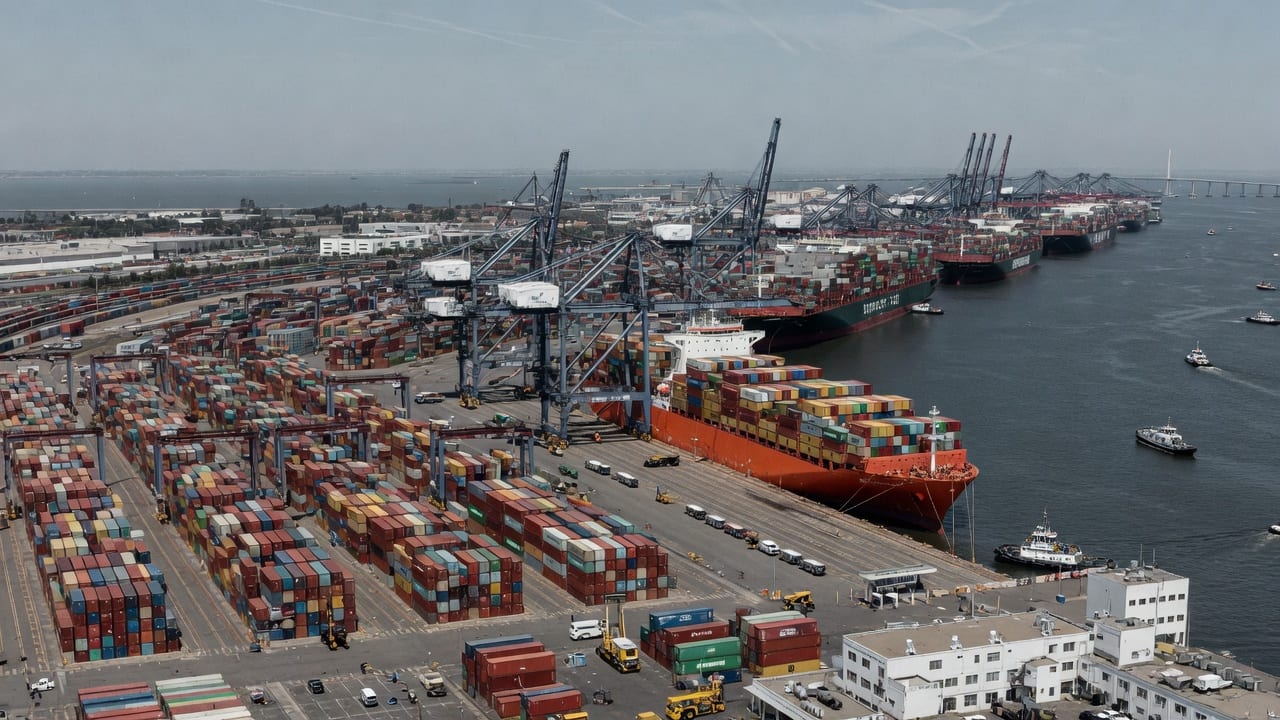
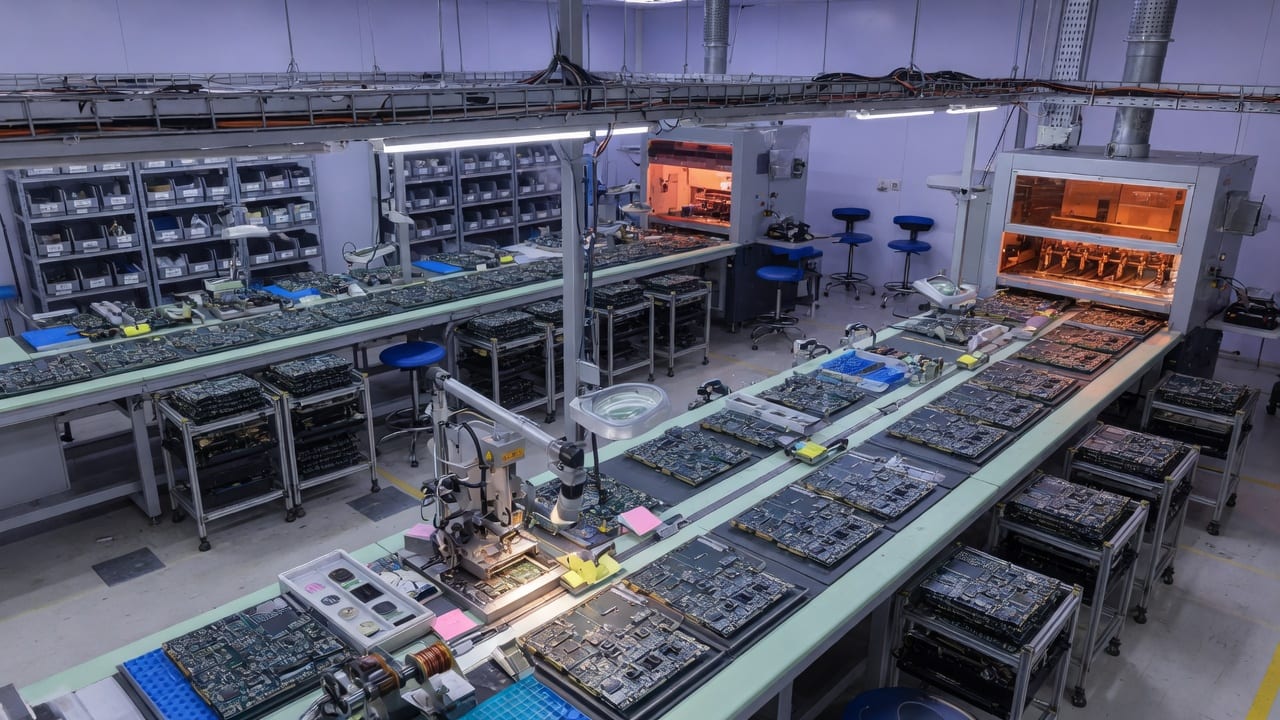
The American economy has spent thirty years building supply chains predicated on low-cost Chinese manufacturing. Every major retailer—Target, Walmart, Amazon—sources between 15% and 25% of inventory directly from Chinese factories. Electronics manufacturers depend on Chinese semiconductors and components. The tariff creates a cascading cost shock: Chinese factory owners cannot absorb the cost, so prices rise at the dock, then at the warehouse, then on shelves.

“A 145% tariff on Chinese goods essentially doubles the cost of every import. Manufacturers can either accept the tariff as a cost, move production, or exit the market. Most will pass costs to consumers.”— Chief Economist, National Retail Federation, March 2026
Inflation Expectations Surge; Federal Reserve Signals Caution
Immediately following the tariff announcement, commodity prices spiked. Inflation expectations—measured by the spread between nominal and inflation-protected Treasury bonds—jumped by 60 basis points in a single week. The Cleveland Federal Reserve's Inflation Nowcast model projected a temporary but significant uptick in consumer price inflation by mid-2026, with some categories like appliances and electronics facing 25% to 35% price increases.
145%
Tariff Rate on Chinese Imports
60 bps
Rise in 5-year inflation expectations
Beijing's Retaliation: Asymmetric Weapons
China's Ministry of Commerce announced retaliatory tariffs on March 15, 2026, targeting U.S. agricultural exports, semiconductors, and industrial machinery. Corn farmers in Iowa face a 25% tariff on exports to China; soybean farmers confront even steeper barriers. The retaliation is deliberately asymmetric—targeting sectors and regions politically sensitive to the Trump administration. Boeing's supply chain suffers immediate strain as Chinese tariffs on aluminum and composite materials push up aircraft manufacturing costs.
RELATED: Chapter 3 — The Power of Capital explains how trade policy drives wealth concentration. Chapter 8 documents the 2018-2019 trade war and its lessons for 2026.
Manufacturing Migration: The Thirty-Year Supply Chain Comes Apart
Within days of the tariff announcement, multinational corporations began exploring alternatives. Vietnam, Thailand, and Indonesia suddenly became focal points for relocation discussions. However, moving supply chains takes years—not weeks. Factories must be built, labor trained, regulatory approvals obtained. In the short term, companies face a choice: absorb costs, raise prices, or maintain operations in China and pay the tariff.
“The tariffs create an immediate cliff. You cannot move a 50,000-person factory to Vietnam overnight. We're looking at absorbing these costs or passing them to customers.”— Supply Chain Director, major U.S. consumer goods manufacturer, March 2026
Consumer Impact: Rising Prices on Essentials
Economists project that a sustained 145% tariff will add $200 to $400 annually to household costs in consumer goods, electronics, and clothing. Low-income households—which spend a larger share of income on these categories—absorb proportionally larger price increases. The impact mirrors inflation from the 2021-2022 period but with a different cause: not monetary expansion but deliberate trade restriction.
The Federal Reserve's Dilemma
The tariff shock places the Federal Reserve in a policy bind. Rate cuts are needed to support weakening labor markets, yet inflation pressures demand caution. The March FOMC meeting acknowledged 'supply-side constraints' but stopped short of signaling additional tightening. Fed Chair Powell indicated that tariff-induced inflation would be monitored carefully but treated as temporary unless sustained into 2027.
verified
The Federal Reserve's March 18, 2026 policy statement noted that 'inflation remains somewhat elevated' and acknowledged supply-chain considerations in policy deliberations.
Historical Parallel: The Smoot-Hawley Lesson
Economists reference Smoot-Hawley (1930) as a cautionary precedent. That tariff, averaging 45% across categories and provoking retaliatory measures, deepened the Great Depression. The Trump administration dismisses this comparison, arguing modern economies are more resilient. However, the structural dependency on Chinese imports is far deeper than the 1930 trade system. A 145% tariff risks triggering a deflationary spiral as demand collapses and inventories build.
$200-400
Estimated annual household cost from tariffs
What Comes Next: Market Adaptation and Political Pressure
The tariff regime will likely create political pressure within months as consumer prices rise and agricultural constituencies face export losses. Congress, particularly members representing agricultural and manufacturing districts, may push for negotiated reductions. China has signaled willingness to negotiate but demands reciprocal tariff reductions from the U.S. side. The outcome—whether tariffs remain, escalate, or resolve—will fundamentally reshape the global economy through 2027.
Topics
Related Chapters
Sources
- [1] U.S. Trade Representative Statement on China Tariffs — March 2026 View Source
- [2] Trump Imposes 145% Tariffs on Chinese Goods, Sparking Retaliation View Source
- [3] Trade War 2.0: China Retaliates With Tariffs on U.S. Corn and Autos View Source
- [4] Economic Impact of Proposed Tariffs: Congressional Research Service Report View Source
- [5] U.S.-China Trade: Tariffs, Market Access, and Supply Chain Effects View Source