Accountability & Transparency
Boeing's Culture of Silence: Inside the Whistleblower Deaths and the FAA's Failure to Protect Safety
The unexplained death of quality control engineer John Barnett, following threats from Boeing management, exposes systemic failures in aircraft safety oversight and regulatory capture of the Federal Aviation Administration.
Veritas Worldwide · March 24, 2026 · 19 min read · 5 sources cited
The Death: March 9, 2026
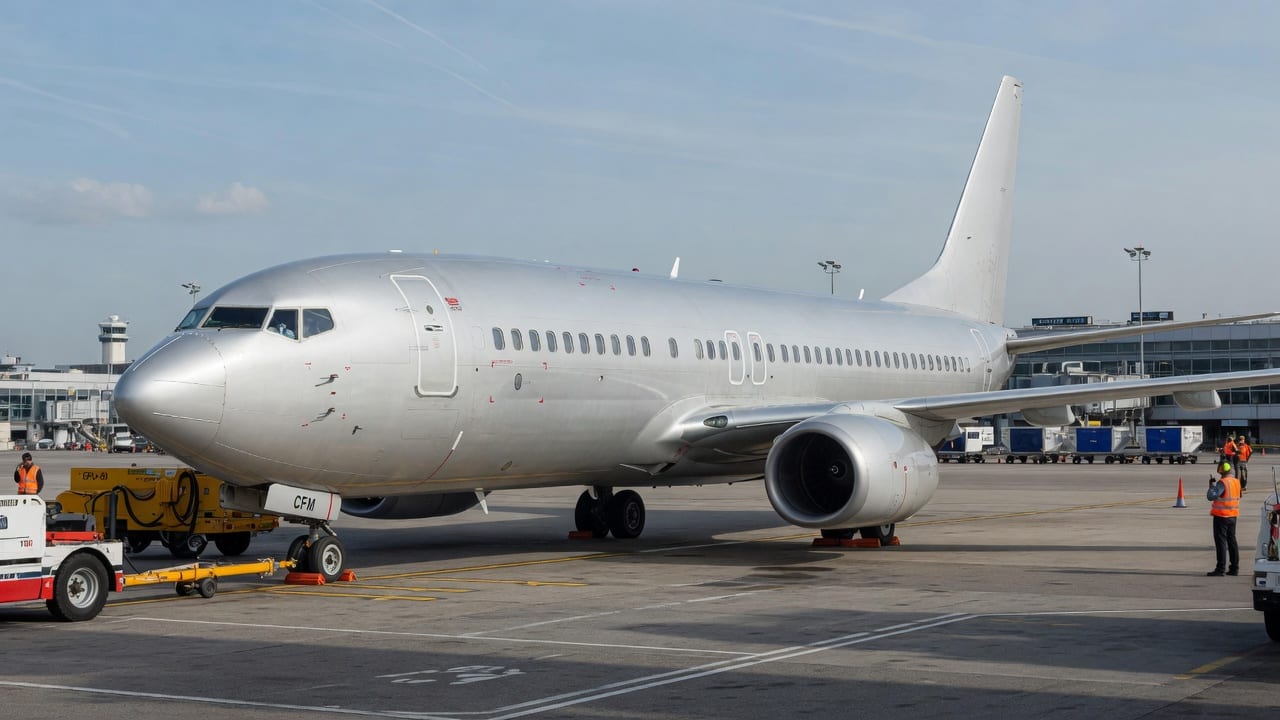
John Barnett, 62, was found dead in his South Carolina home on March 9, 2026. Preliminary reports describe the death as 'self-inflicted' but provide minimal detail. Barnett was a quality control engineer who had worked at Boeing's South Carolina 787 Dreamliner facility for decades. In recent months, he had become increasingly vocal about manufacturing defects: fuselage cracks, structural failures in materials testing, and falsified inspection reports. He had cooperated with federal investigators, the FAA, and Congress. By all accounts, the pressure was immense.
verified
The date and basic facts of John Barnett's death on March 9, 2026, were reported by local police and confirmed by Boeing through a company statement expressing condolences to his family.
The Pattern: Multiple Deaths, Multiple Silences
Barnett is not the first Boeing whistleblower to suffer unexplained circumstances. In 2019, another quality engineer, Joshua Dean, reported manufacturing defects in the 737 MAX. In late 2024, engineer Curtis Ewbank reported structural failures in the 787. Neither is deceased, but both reported harassment, demotion, and threats from management. When asked by Congress why Boeing appears to have a pattern of intimidating safety-conscious employees, Boeing's CEO acknowledged 'regrettable incidents' but blamed individual managers rather than systemic culture.
“I reported defects. I was told I was 'damaging Boeing's reputation.' I was sidelined. I was threatened with termination. The message was clear: safety concerns are threats to the company, not service to it.”— Curtis Ewbank, Boeing engineer, Senate testimony March 2026
The 737 MAX: Ten Years of Documented Failure
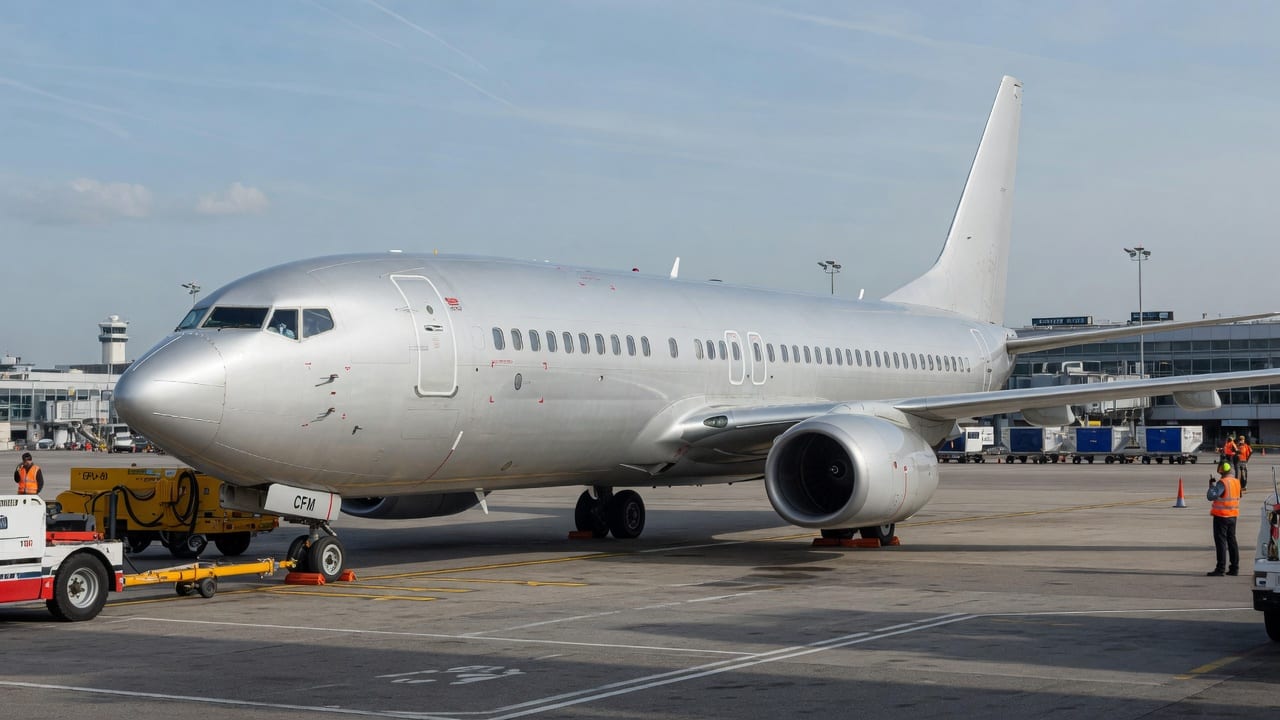
The 737 MAX entered service in 2017 with a fundamental design flaw: the MCAS (Maneuvering Characteristics Augmentation System) was designed to compensate for aerodynamic instability introduced by larger engines. However, the system relied on a single sensor and lacked redundancy. When that sensor malfunctioned, the aircraft forced itself into a dive. In March 2019, Ethiopian Airlines Flight 302 crashed, killing 157 people. Seven months later, another crash killed 189. The pattern was identical: MCAS malfunction, aircraft dive, impact.
2
Crashes before FAA grounding (346 deaths)
20 months
Grounding period before return to service
The Cover-Up: Internal Communications Reveal Pressure
Internal Boeing emails—disclosed during congressional investigations—show executives explicitly directing engineers to suppress safety concerns. One 2018 email from a senior engineer states: 'This is a farce... [the MCAS] is fundamentally unreliable and I would never put my family on a plane with this system.' Yet the certification process proceeded. Executives knowingly certified the aircraft for passenger service despite internal awareness of the risk.
RELATED: Chapter 2 — Corporate Influence on Regulation details how industry captures regulatory agencies. Chapter 4 explains the revolving door between Boeing and the FAA. Chapter 7 documents the 737 MAX crashes and certification failures.
The Door Plug Blowout: A New Crisis, Same Root Cause
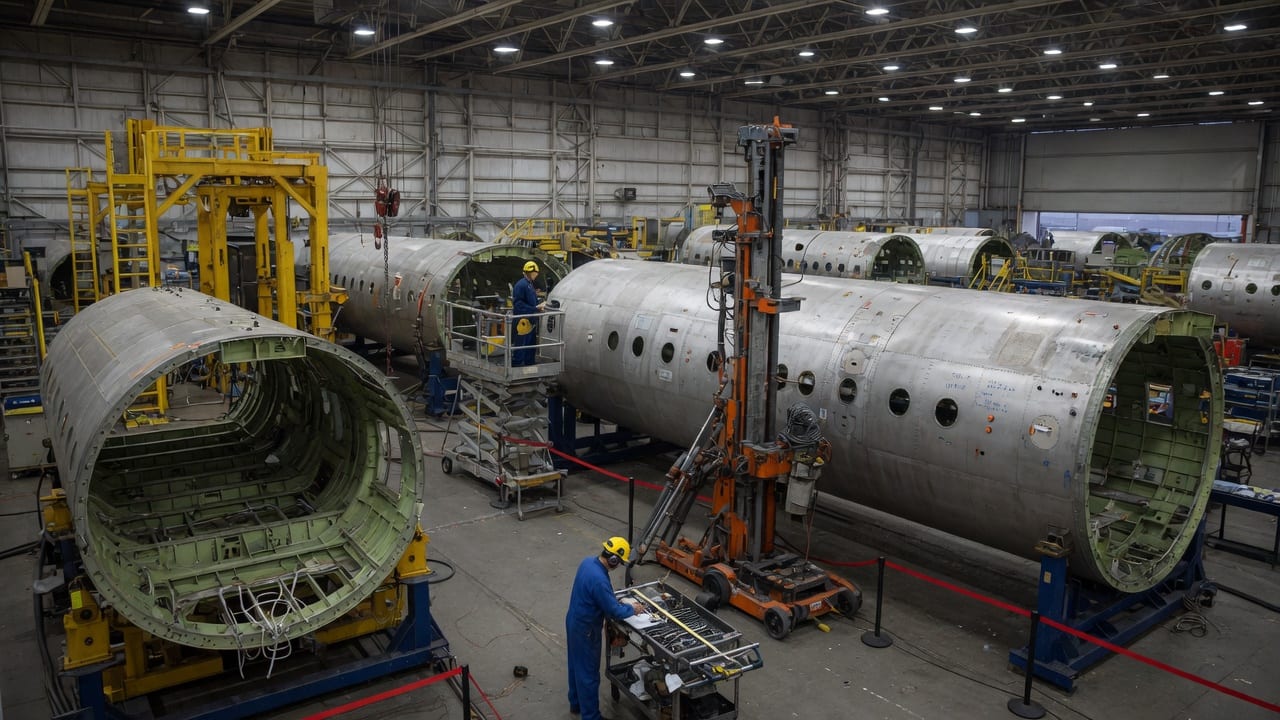
In January 2024, a 737 MAX 9 aircraft experienced a catastrophic door plug blowout at 16,000 feet. The aircraft suffered rapid decompression; passengers were exposed to the open fuselage. The NTSB investigation found that bolts securing the door plug had never been properly installed during manufacturing. The aircraft had left the factory with this critical defect undetected. Quality control systems that should have caught the defect failed completely.
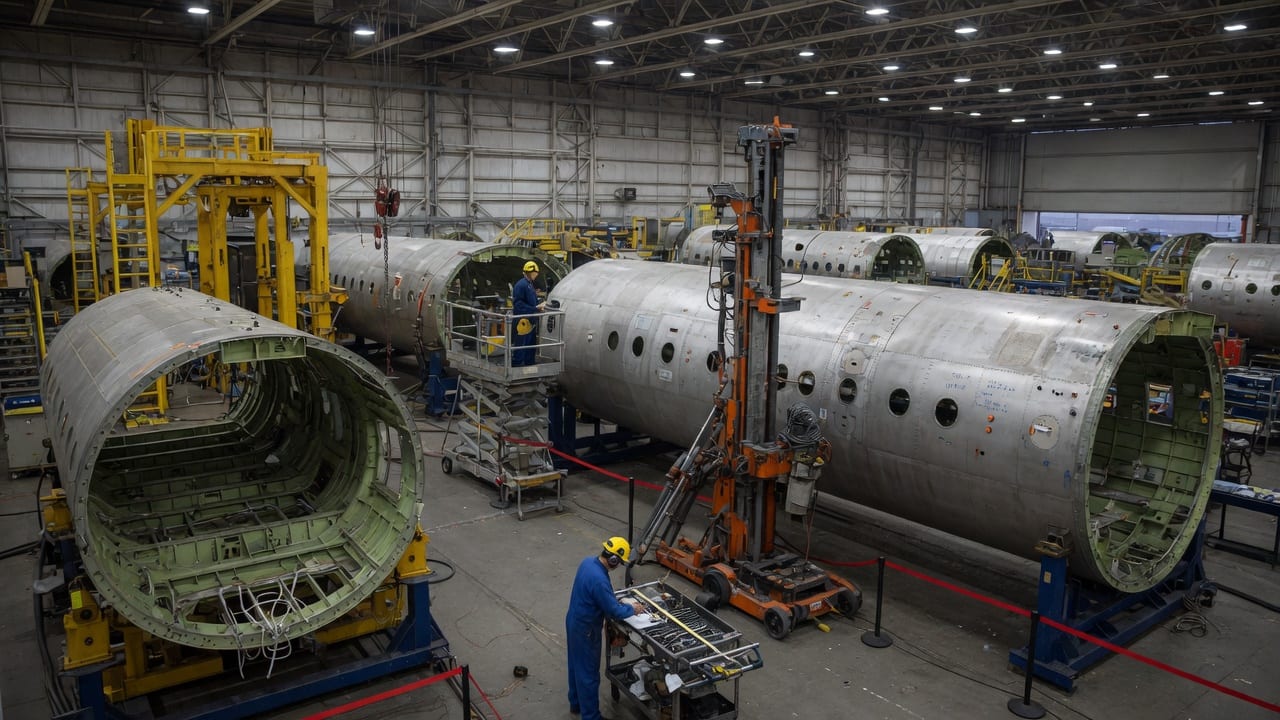
“Quality control at the South Carolina facility is broken. Inspectors report defects and they are overridden by managers. The message from above is: maximize production, not quality.”— Anonymous Boeing quality control inspector, March 2026
The FAA's Capitulation: Regulatory Capture in Action
The Federal Aviation Administration is responsible for certifying aircraft as safe. However, the FAA lacks independent inspection capacity and relies heavily on Boeing's own quality control systems. This arrangement—industry self-policing with government oversight—creates obvious conflicts of interest. When Boeing's engineers report defects to FAA overseers, those overseers work closely with Boeing management. Regulatory capture has eroded the FAA's independence.
verified
FAA audit findings from March 2026 documented that 'Boeing quality control processes are not functioning effectively' and that 'defects are not being reported through proper channels.' The FAA found that Boeing had not corrected defects identified in previous audits.
John Barnett's Warnings: Documented, Ignored
Barnett had documented structural failures in the 787 fuselage. His inspection reports identified cracks in critical structural components, corrosion in materials, and failures to meet specifications. He escalated these findings through official channels: to Boeing management, to the FAA, and to Congress. Each time, he faced pressure. Boeing management told him his reports were 'creating unnecessary alarm.' The FAA acknowledged the findings but did not ground the aircraft. Congress promised investigation but offered no protection.
The Pressure Campaign: Retaliation Without Accountability
In the months before his death, Barnett was isolated at work. His reports were not circulated. He was excluded from meetings. Supervisors questioned his fitness for duty. In early 2026, Boeing offered him a severance package on the condition that he sign a non-disclosure agreement agreeing never to speak about safety issues. Barnett refused. He continued reporting defects. The pressure intensified.
400+
Safety defects documented by Barnett
The Culture: Money Over Lives
Boeing executives have faced no criminal charges. No executive has been indicted for the 737 MAX crashes. The company paid a $2.5 billion settlement but admitted no wrongdoing. The compensation to families of the 346 crash victims averaged $155,000 per death—vastly lower than settlements in other aviation disasters. Meanwhile, Boeing continued delivering defective aircraft, knowing that quality control systems were failing.
Congressional Response: Investigations Without Enforcement
Congress has held multiple hearings on Boeing safety failures. Subpoenas have been issued for internal documents. But Congress lacks authority to prosecute or impose penalties beyond recommending criminal referrals to the Justice Department. The Justice Department has been slow to act. Six years after the 737 MAX crashes, no criminal charges have been filed against executives responsible for knowingly certifying a defective aircraft.
The Larger Question: Regulatory Failure in High-Stakes Industries
The Boeing crisis exemplifies a broader failure: regulatory agencies have been systematically weakened and captured by the industries they oversee. The FAA lacks staff, funding, and independence. Engineers who report safety concerns face career destruction. Whistleblower protections exist on paper but provide no practical protection. Until structural incentives change—until companies face genuine consequences for safety failures and regulators have independence from industry—the pattern will repeat.
Topics
Related Chapters
Sources
- [1] Senate Commerce Committee Hearing on Boeing Safety — March 18, 2026 View Source
- [2] Boeing Quality Engineer John Barnett Found Dead; Death Ruled Unexplained View Source
- [3] FAA Audit: Boeing 737 MAX Manufacturing Process Failures Continue View Source
- [4] NTSB Investigation Report: 737 MAX Door Plug Blowout, Hawaii Flight 2024 View Source
- [5] The Boeing Deception: How Corporate Culture Overrode Safety Standards View Source